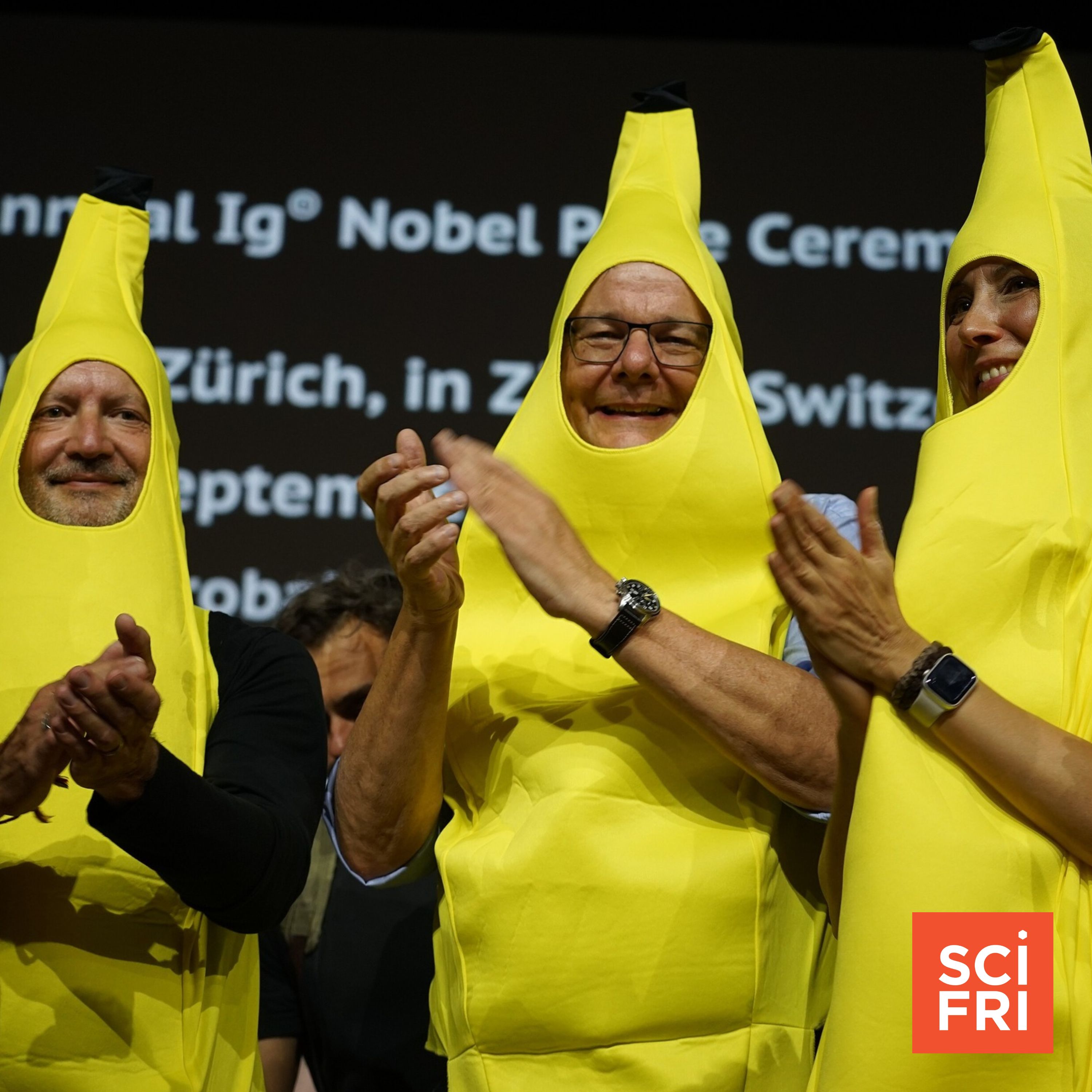
Nose-blowing and stealing candy at the 2026 Ig Nobel Prizes
48 min
Listen through the publisher, then discuss the episode here or arrange an in-person Roundtable. Your city determines where to meet.
Roundtables are designed for groups of four, with a shared subject and room for everyone to speak. Come for discussion, with no dating expectation.
Each year, the Ig Nobel Prizes (https://improbable.com/ig/about-the-ig-nobel-prizes/) recognize scientific research that first makes you laugh, then makes you think. For example: a scientific definition of kissing (https://www.sciencedirect.com/science/article/pii/S1090513825001370?via%3Dihub=), also known as “a non-agonistic interaction involving directed, intraspecific, oral-oral contact with some movement of the lips/mouthparts and no food transfer.” Past Ig Nobel ceremonies have been held in Boston, but due to ongoing challenges with travel visas and immigration, the organizers held this year’s ceremony in Zurich, Switzerland. As is Thanksgiving tradition, we’re sharing highlights from this year’s Ig Nobels (https://www.sciencefriday.com/segments/the-2026-ig-nobel-prizes/) on Science Friday. Annals of Improbable Research editor Marc Abrahams acts as master of ceremonies for the 36th First Annual Ig Nobel Prizes, which include 10 awards, several 24-second scientific lectures, and a salute to the world of fungi. Transcripts for each episode are available within 1-3 days at sciencefriday.com (https://www.sciencefriday.com/segments/the-2026-ig-nobel-prizes/). Got a science question that’s keeping you up at night? Call us: 877-472-4374 Hosted by Simplecast, an AdsWizz company.
Episode information is provided by the publisher. Listening takes place on the publisher’s service.
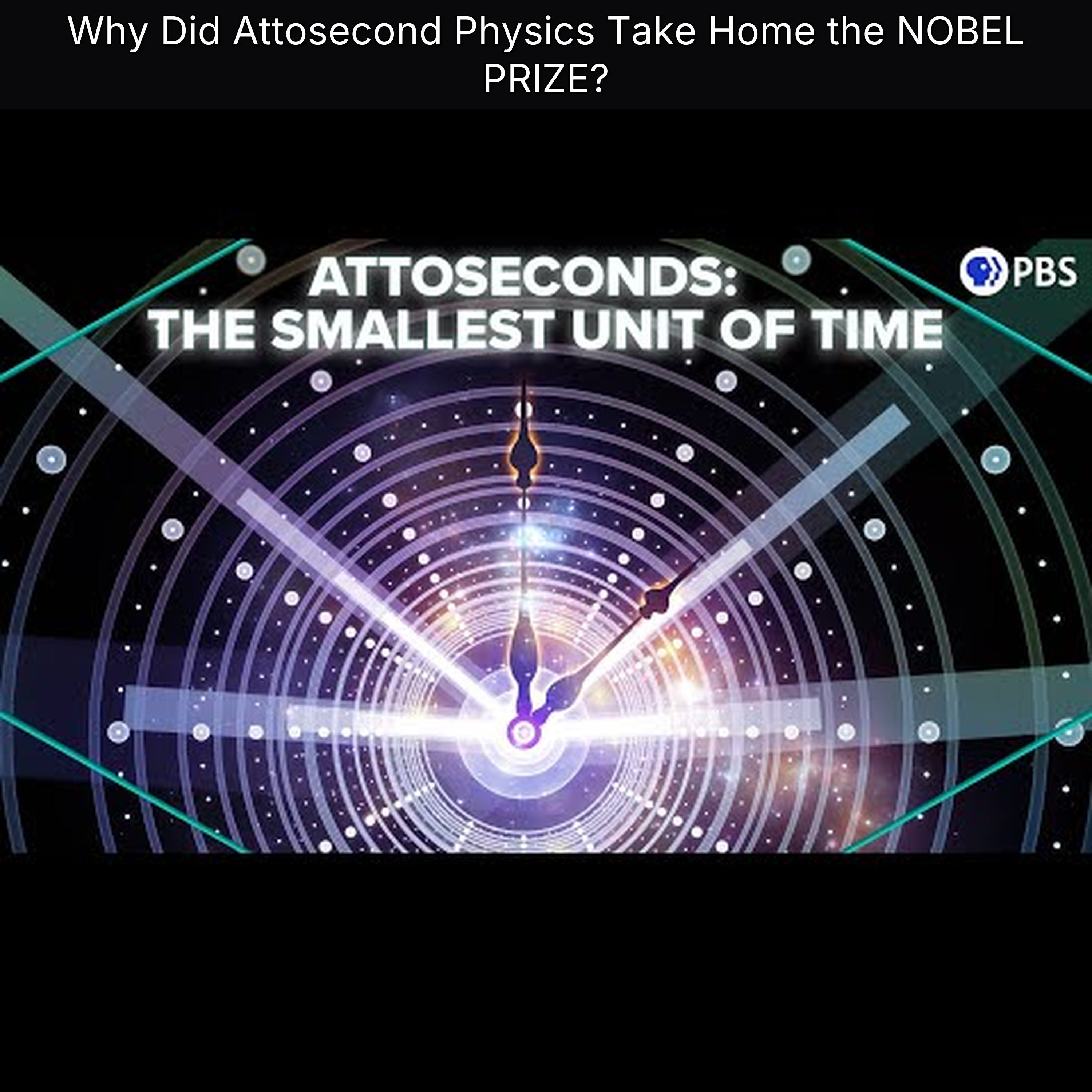
Check out the Space Time Merch Store PBS Member Stations rely on viewers like you. To support your local station, go to:http://to.pbs.org/DonateSPACE Sign Up on Patreon to get access to the Space Time Discord! Whenever we open a new window on the universe we discover something new. Whether it's figuring out how to see to greater distances like with telescopes, or down to smaller size-scales like with microscopes, or perhaps expanding our vision to new wavelengths of light or via exotic means such as in neutrinos or gravitational waves. Well, the 2023 Nobel prize in physics has been awarded to three physicists for opening just such a new window—but it's not a window to a new size scale or a new mode of seeing—-it’s for a new window in time. It’s for attosecond physics—the billionth of a billionth of a second that represents the timescale of the insides of atoms. This year’s Nobel in physics is for a microscope in time Sign up for the mailing list to get episode notifications and hear sp
Belinda Smith reports on the 2026 Prime Minister’s Prizes for Science announced this week. Among eight prizes, the top prize was shared by Professor Georgina Long from The University of Sydney whose research has led to the first highly effective drug therapies for melanoma and major advances in cancer treatment and Professor Anthony Thomas from Adelaide University, recognised for discoveries that have reshaped our understanding of matter, antimatter, dark matter and neutron stars.
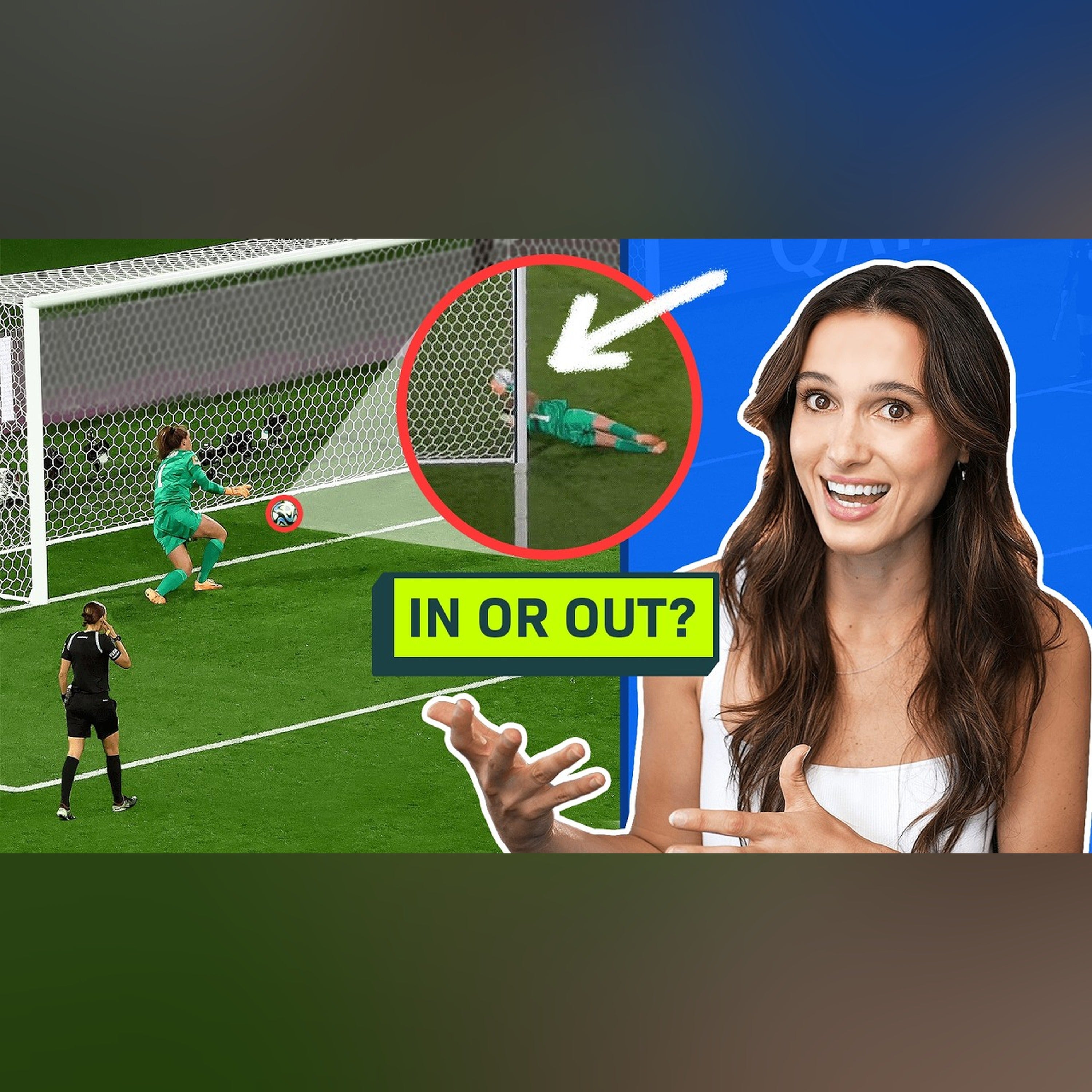
Are AI referees ruining sports? Or making them better? If you’re watching the 2023 US Open, you’re seeing automated referee calls. After years of controversy about human accuracy, tennis has used a system called Hawkeye to not only check human calls… but now to replace human referees. And this robot ref revolution isn’t just happening in tennis. It’s taking over the sports world. Soccer, basketball, baseball, they are all using machines to improve the calls being made on the field. The World Cup in particular has invested in these tools, from VAR (video assistant referee) to semi-automated offside and goal-line technology. The stakes are high. The difference between a right or wrong call can be a championship, or millions of dollars in prizes, endorsements, ticket sales. For the most part, fans like tech that makes calls more objective. HOWEVER… there is a big chunk of sports fans who would strongly disagree, who think that robot refs are ruining the game. Thing is, this tech isn’t goi
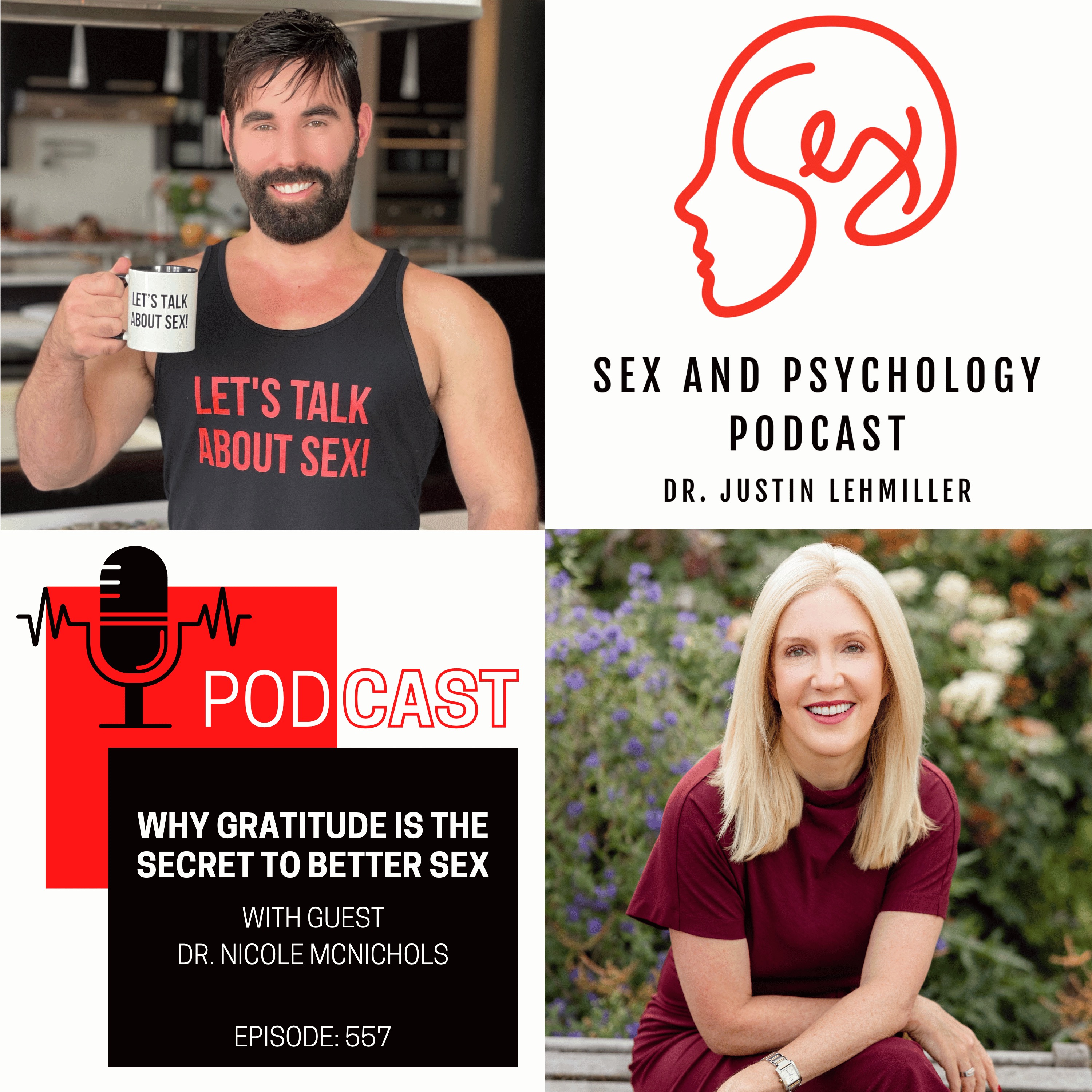
Thanksgiving is a time to reflect on the things we're grateful for, but when was the last time you stopped to appreciate your sex life? In this episode, we're exploring the surprising connection between gratitude and sexual desire. We'll discuss how feeling appreciated can strengthen intimacy, why gratitude can motivate us to be more attentive to our partners' needs, and simple ways to bring more appreciation into our sex lives without turning it into another obligation. I am joined once again by Dr. Nicole McNichols (https://nicolethesexprofessor.com/about-nicole/), an Associate Teaching Professor in the Department of Psychology at the University of Washington. Nicole's course, "The Diversity of Human Sexuality," is the largest and most popular course in the university's history with four thousand enrolled students each year. Nicole is author of the book You Could Be Having Better Sex. (https://link.amazon/B0iYWx0Q4) Some of the specific topics we cover include: What does it mean to p
How to reimagine humanity on a planetary scale? Drawing on the key Scientific theories developed over the last century, in Our Planetary Mirror: Earth Science and the Reimagining of Humanity (https://bookshop.org/a/12343/9780226852140) (U Chicago Press, 2026) Boris presents an intellectual History and metaphorical analysis of the key terms (squarely embedded in the philosophical, religious, and spiritual traditions) as avenues to reimagine humanity. Hosted by Simplecast, an AdsWizz company.
Could an AI boom rescue America’s finances? And if not, who ends up paying the bill? In this edition of The Professor Is In, producer Augusta brings Justin Wolfers your follow-up questions about his debt math episode, which found the U.S. would need about 6% real growth every year to stabilize its debt. Justin explains why AI’s productivity gains are still hard to spot in the data, and what the personal computer revolution say about how long these booms take to show up. He also explains why he’d bet a million dollars at even money against 6% growth. Along the way, he covers why economists and technologists mean very different things by an “AI revolution,” and teaches the rule of 72. Then it’s back to the accounting. Justin explains why net debt, which Treasury calls debt held by the public, is a better measure than the $40 trillion gross figure, and why Social Security makes even that question fuzzy. A viewer in Denmark asks who is actually paying for U.S. borrowing and what Americans
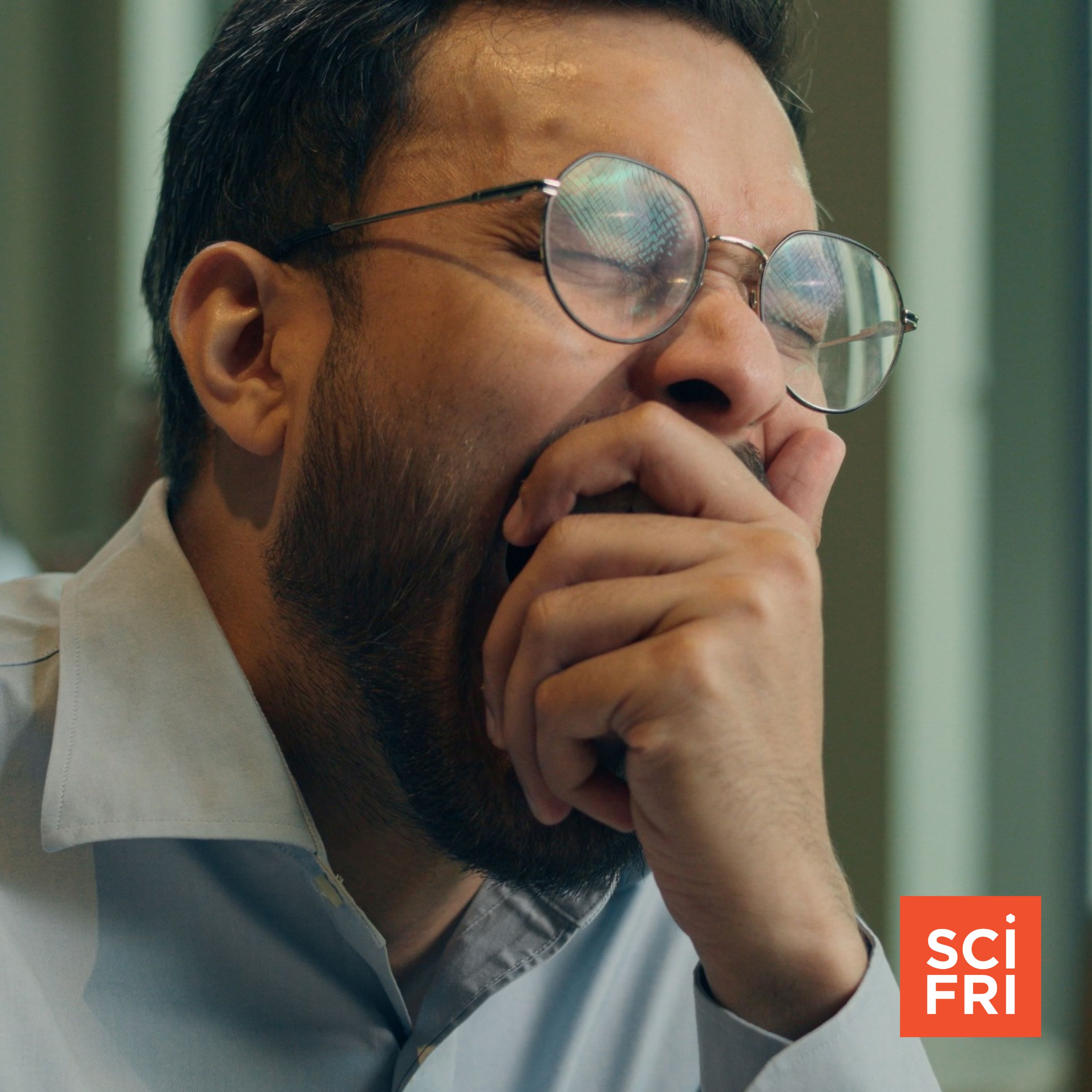
Just about every animal with a backbone yawns (maybe even dinosaurs), but why we do it is still something of a mystery. A SciFri listener from Texas recently spotted some research (https://www.sciencedirect.com/science/article/pii/S1569904826000340?sm_guid=MTA2NTcwNnw4NzU2NTUyMHwtMXxya2F6bWllckBzY2llbmNlZnJpZGF5LmNvbXw5MTQ5NDU2fHwwfDB8MzM3ODk1MDI2fDIzNTV8MHwwfHwyMDA1ODQ2fDA1) that suggests yawning could play a role in clearing waste products from the brain, and asked us to get to the bottom of it. Biomechanical engineer Lynne Bilston, an author on that study, joined Flora in May to discuss the findings (https://www.sciencefriday.com/segments/why-we-yawn-brain-waste-cleaning/) and what they could mean for neurodegenerative diseases like Alzheimer’s. Plus, about a third of Americans aren’t getting the recommended seven hours of sleep per night, according to a CDC report (https://www.cdc.gov/nchs/products/databriefs/db559.htm) from April. We check in with sleep researcher Stuti Jaiswal to
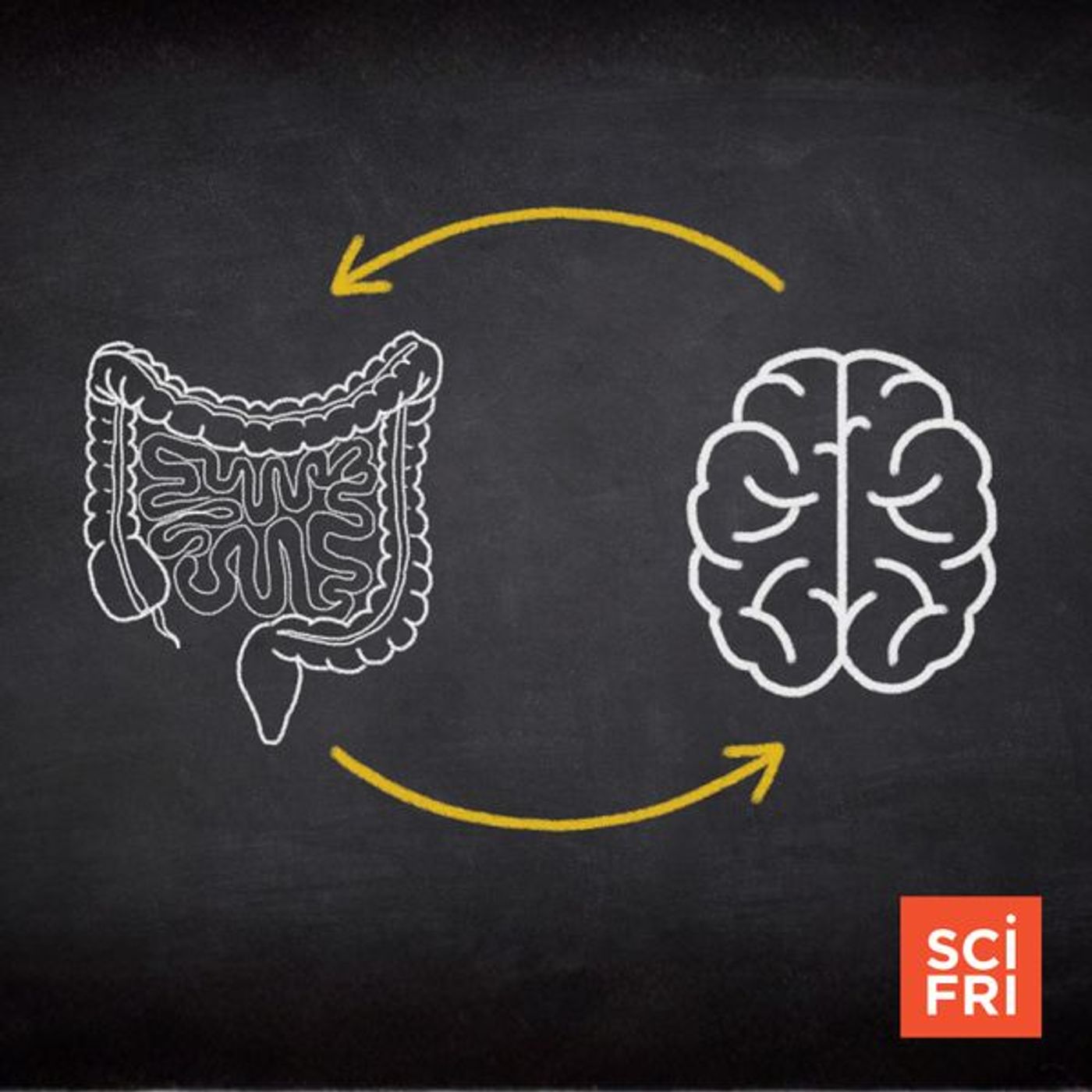
Gut feelings, trusting your gut, butterflies: We have lots of expressions about how our brains and our bowels are intertwined. But how well do we understand the science of this on the biomolecular level? And which of those organs is actually in the driver’s seat? Flora churned through the details (https://www.sciencefriday.com/segments/gut-brain-connection-ibs-parkinsons-depression/) with neurogastroenterologists Emeran Mayer and Trisha Pasricha on stage at the 2026 Aspen Ideas Festival in Colorado this past July. Guests: Dr. Emeran Mayer is distinguished research professor at the David Geffen School of Medicine at UCLA, and executive director of the G. Oppenheimer Center for Neurobiology of Stress and Resilience. Dr. Trisha Pasricha is a neurogastroenterologist and physician-scientist at Beth Israel Deaconess Medical Center as well as an assistant professor of medicine at Harvard Medical School. A transcript for this episode is available at sciencefriday.com. (https://www.sciencefrida
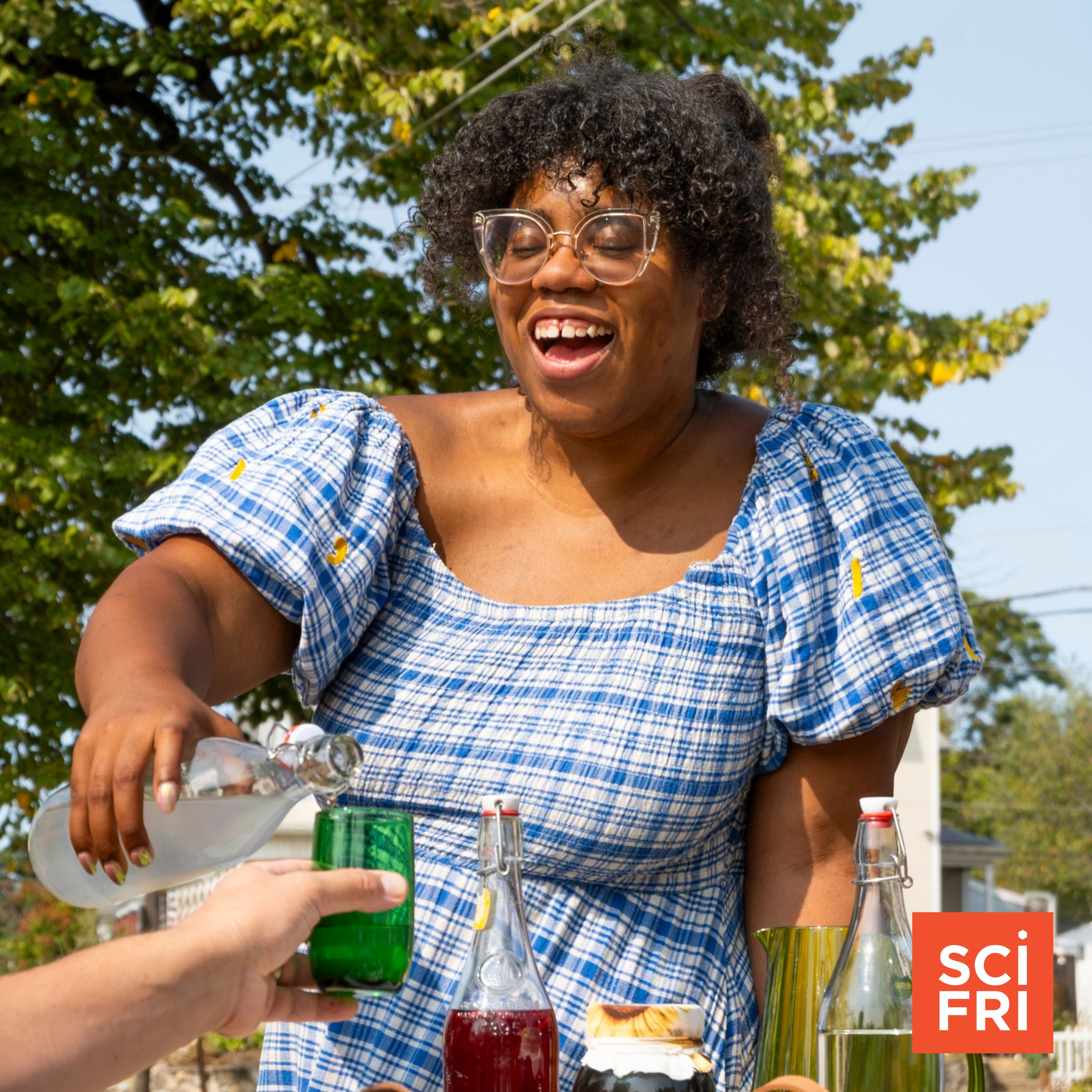
Grab your pocket knife and your wicker basket because we are going on a quiet hunt with the internet’s favorite forager, Alexis Nikole Nelson (https://www.sciencefriday.com/segments/foraging-with-alexis-nikole-nelson/). Known online as Black Forager (https://www.instagram.com/blackforager/), she teaches people about the foods that are found right in their neighborhood and how to cook with them. She is also the author of the cookbook and foraging guide “Happy Snacking, Don’t Die.” (https://bookshop.org/a/18570/9781668002544) Alexis chats with Flora about the joy of foraging and why it’s about more than just food—it carries a long, important history. Check out a recipe for acorn pancakes (https://www.sciencefriday.com/articles/happy-snacking-dont-die-book-excerpt/) with smoked hickory syrup from “Happy Snacking, Don’t Die.” Guest: Alexis Nikole Nelson is a forager and outdoor educator. She’s also the author of the foraging guide and cookbook “Happy Snacking, Don’t Die.” Transcripts for e
Long-term public borrowing should account for the burden placed on future generations.
Share your view, then see how readers voted. No sign-in required. This poll is shared across stories.
Do you agree or disagree?
Common Quandary
A Common Quandary to discuss
Another conversation to explore, separate from this news story.
Your family wants an AI to settle an old argument. Would you hand over the group chat?
A recurring family dispute has reached the point where nobody agrees on what was actually said. Your cousin proposes uploading five years of the family group chat to an AI that can reconstruct events, flag contradictions, and recommend a fair resolution. Nearly everyone agrees—but one relative refuses.
Can a tool make a family argument fair without turning intimacy into evidence?